
The Co-Production of Knowledge Initiative grew out of the conviction that there is a fundamental need for research to be conducted in partnership with and under guidance from affected communities. While researchers often cite benefits to local communities in their grant proposals, the communities are seldom involved in the design of the project and their participation is often in the form of data gathering. Even those researchers with the best intentions often bring in community members after the research plan is already in place. Forming more appropriate and individualized community-based solutions established by new research efforts requires the use of co-production frameworks.
What is Co-Production of Knowledge?
Knowledge co-production requires deep collaboration and the establishment of trusted relationships between those with the scientific, social, and/or policy expertise, and community members who have “lived experience” within their natural, social, and cultural environments. To produce equitable knowledge-based solutions, it is critical that communities are able to express their member’s priorities, and share known understandings of the environmental intricacies and challenges they face. In this way, co-production replaces exclusionary or extractive relationships and seeks to redistribute power and resources in university-community research dynamics that have historically been unequal.
Initiative Goals
- Build an interdisciplinary community of Columbia faculty, students, and staff and community members doing community-driven outreach, advocacy, research, and curriculum development.
- Foster co-production projects through grant funding programs open to Columbia University affiliates, university partners, and community groups.
- Develop and share a set of guidelines for good practices of co-production of knowledge (completed in 2024)
- Host interactive knowledge- and community-building seminars and support residencies for Indigenous knowledge holders.
The Initiative in Action
Since 2022, this Initiative has fostered co-production at Columbia University and beyond. Together, we’ve
- 9 co-production of knowledge grants awarded
- Grantees have done work in 6 countries
- $53,400+ distributed in grant funding
- 24 monthly lunches
- 150+ Initiative members
- Initiative members come from 35+ departments at Columbia, along with a host of outside universities and community organizations.
(These numbers are up to date as of September 2026)
Learn more about some of our key activities:
A guide for climate researchers looking to understand and incorporate co-production of knowledge into their work. Co-created by 36 contributors, this document shares good practices and areas for reflection organized around six themes (people, purpose, power, politics, pathways, and progress). Learn more via our news article.
The Initiative’s grant program works to overturn research hierarchies by centering the needs of communities. Funds were awarded to projects led by a local nonprofit with a Columbia University affiliate acting in a supporting role. A collaboration with Southern University and A&M College provides grant funding to students and faculty at Columbia’s HBCU partner. Learn more about the projects funded via the grant overview page.
Residencies invite Indigenous knowledge holders to Columbia University for sustained exchange with students, scholars, and audiences across the university. Each Residency is a partnership between a Columbia University faculty member and their existing community collaborator. Learn more via the Residency overview page.
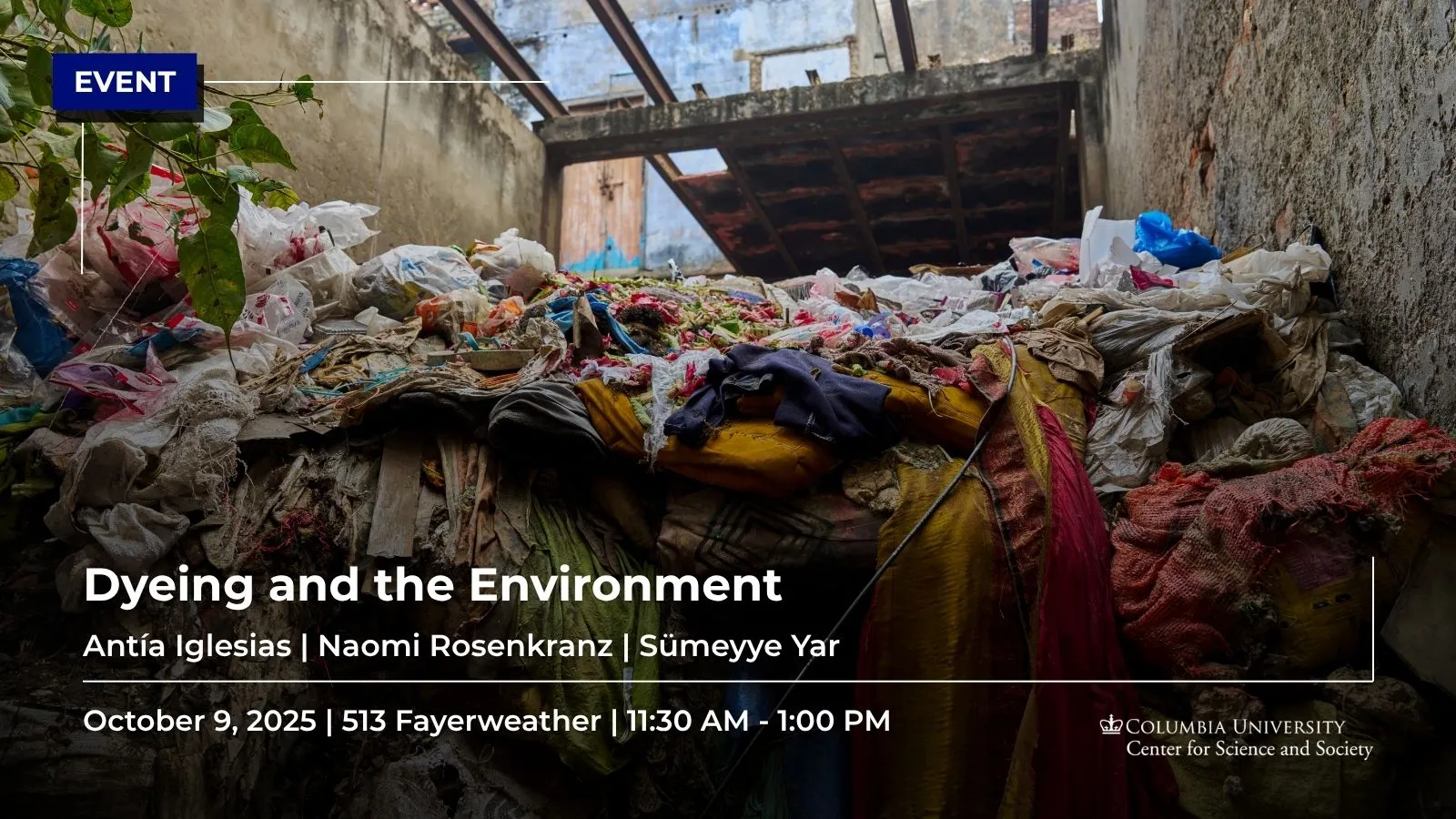
The backbone of this Initiative, each lunch features a short presentation from the speaker(s) incorporating co-production of knowledge into their own research, followed by discussion. The informal nature of these events fosters a safe environment for participants to speak freely about the benefits and challenges of this work. View upcoming lunches via our event listing.
Initiative Funders
Support comes from the Columbia Climate School’s Earth Network program, Luce Foundation, Mellon Foundation, and Moore Foundation.
Join Us
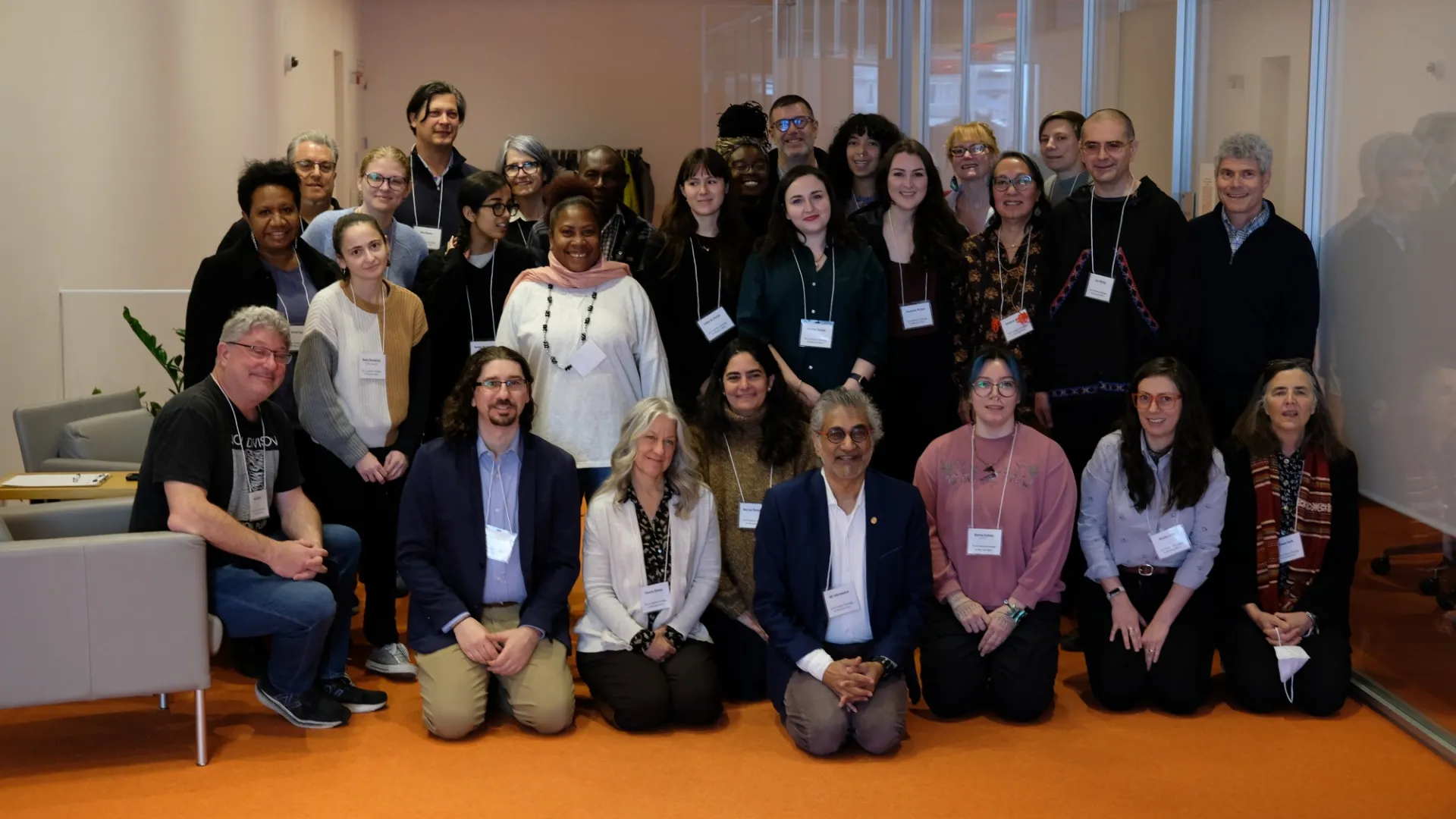
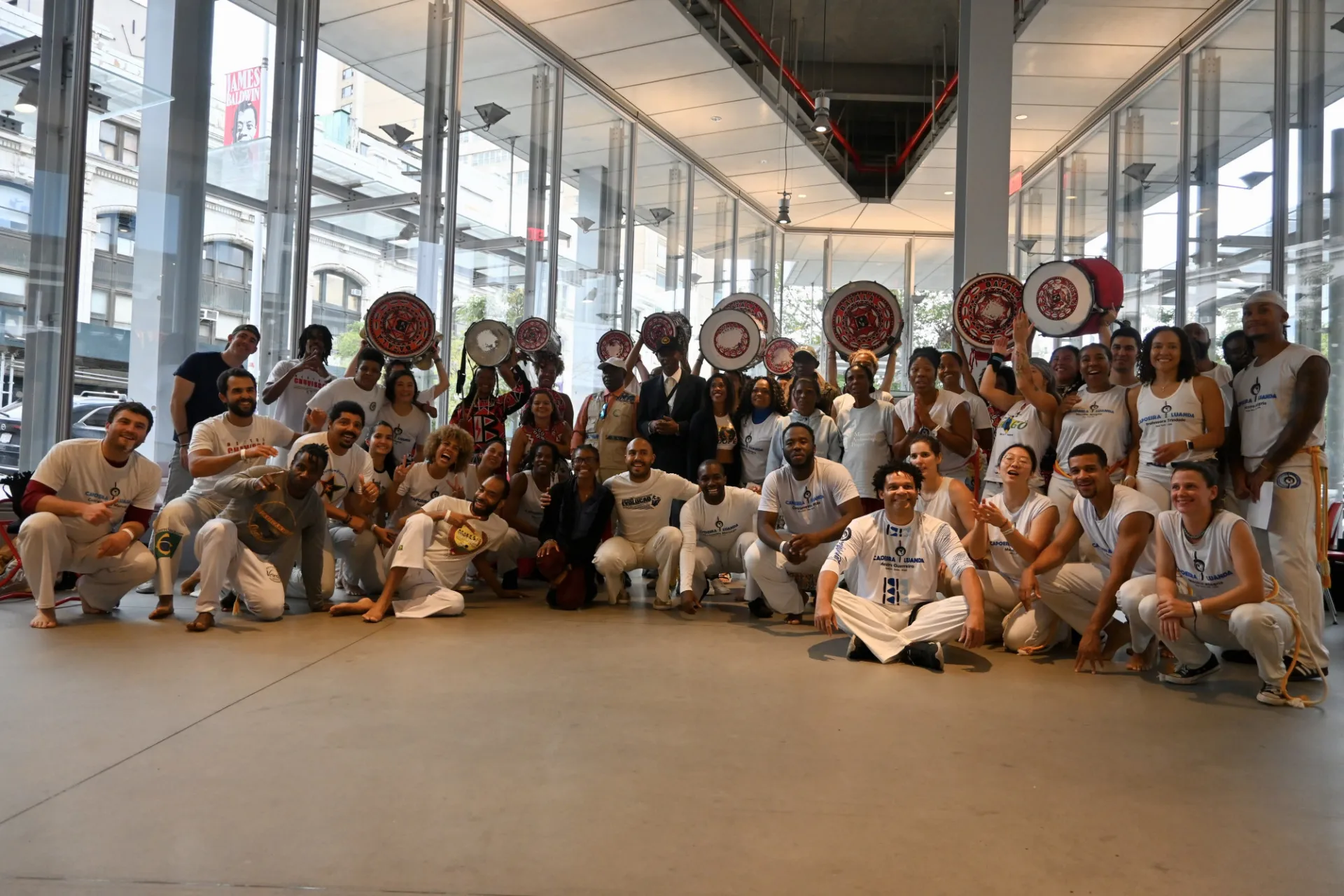
Any student, researcher, or community member interested in this topic is invited to join the Co-Production Initiative. Monthly meetings are held throughout the academic year.