
The Colors that Paint Columbia
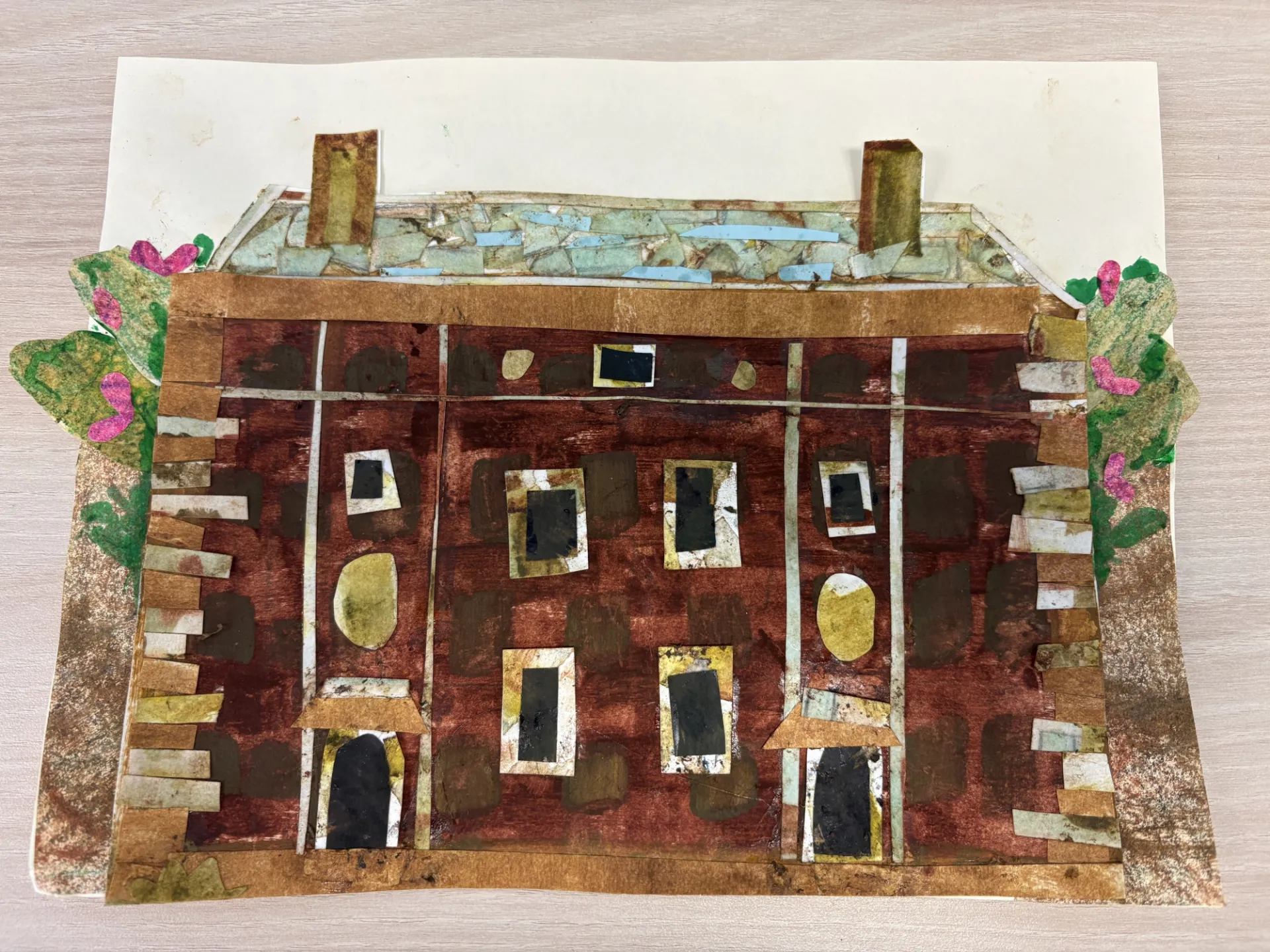
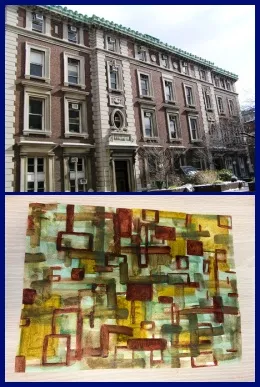
Think about your last visit to an art museum. You may have leaned in to admire a painting’s brushwork or studied the label for information about its subject. But how often do we consider the paint itself?
For over 40,000 years, people have mixed pigments made from plants, animals, and minerals with a binding medium to make paints. Through trial and error–and a combination of art and science–artisans learned to manipulate color using ingredients from the world around them. Instructions were eventually codified and included in artistic how-to manuals popularized in the 1400-1800s, before pre-mixed paints transformed the industry in the late 1800s.
But the best way to understand this historical process isn’t to read about it; it's to try it yourself. Hands-on teaching and research are at the heart of our Making and Knowing Project, which uses historical reconstruction to uncover new questions and insights about the artisan’s workshop. Our Work Study Administrative Assistant (and artist), Anamika, recently followed the Project’s guidance for making paints by hand. She used her results to capture the many colors of Columbia University’s campus. Take a look at her process and her artwork!
And be sure to browse the Making and Knowing Project’s Research and Teaching Companion, which includes lesson plans, syllabi, and more. The Project is a research initiative at the Center for Science and Society.
Enjoyed this story? Stay connected via our newsletter. Sign up for twice-monthly updates featuring upcoming events, opportunities, and stories from our community.